Amsterdam Canals, The Iconic Waterways of the "Venice of the North"

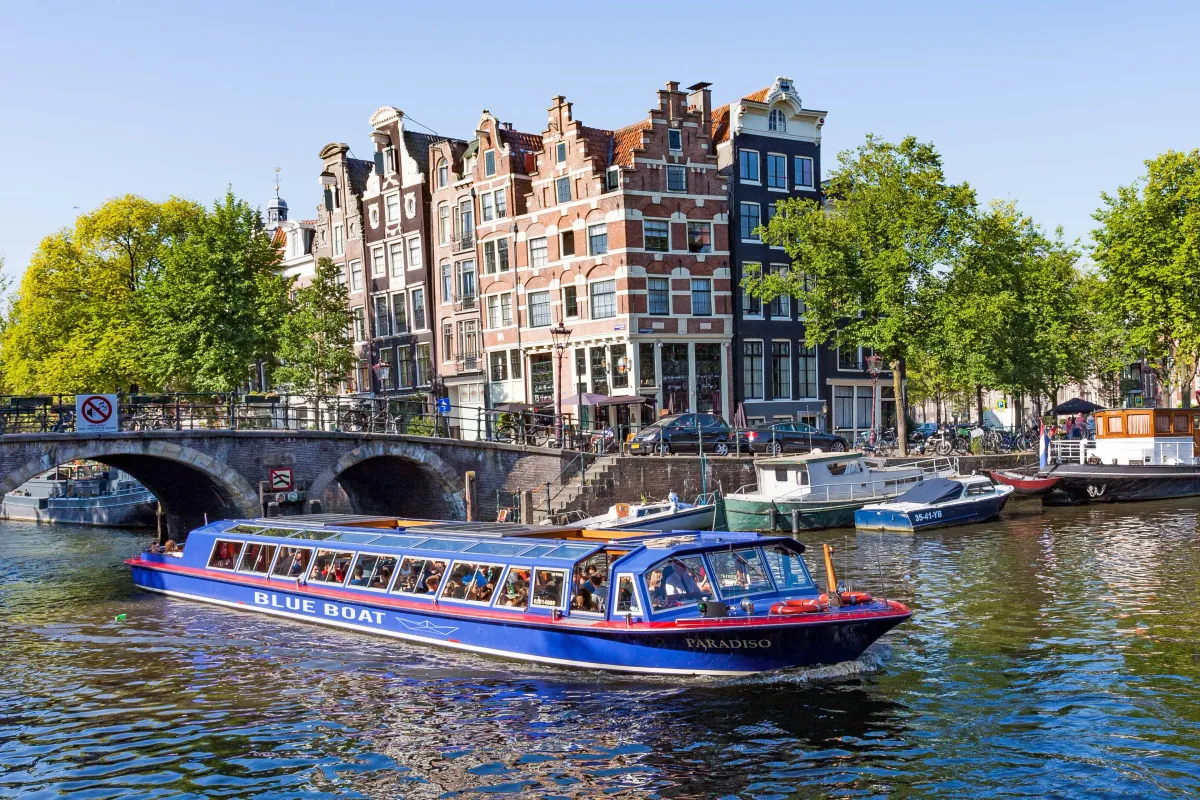
berkelana.id - The Amsterdam Canals form one of the most recognizable and beautiful urban landscapes in the world. With over 100 kilometers (62 miles) of waterways, more than 90 islands, and around 1,500 bridges, these historic canals define the city's character. The famous Grachtengordel (Canal Belt), consisting of the concentric rings of Herengracht (Gentlemen's Canal), Keizersgracht (Emperor's Canal), and Prinsengracht (Prince's Canal), plus the outer Singelgracht, was inscribed as a UNESCO World Heritage Site in 2010. This recognition highlights their exceptional value as a masterpiece of 17th-century urban planning, hydraulic engineering, and bourgeois architecture during the Dutch Golden Age.
Historical Background
The canals were primarily constructed in the early 17th century (starting around 1613) during Amsterdam's explosive growth as a global trading hub. The city needed to expand to accommodate immigrants, merchants, and goods. The ambitious plan created four concentric half-circles of canals ending at the IJ Bay, with radial interconnecting waterways. The three main canals were designed for prestigious residential development, while the Singel (originally a defensive moat) became a commercial zone. This semi-circular layout, with its elegant gabled houses and warehouses, turned Amsterdam into a model "port city" that influenced urban planning worldwide.
The canals served practical purposes: transportation of goods (like beer and spices), water management, and defense. They also showcased the wealth of merchants during the Dutch Golden Age.
Key Canals and Highlights
- Herengracht — The most prestigious, home to the "Golden Bend" (Gouden Bocht) with the grandest 17th-century merchant houses.
- Keizersgracht — The widest canal, lined with elegant mansions and cultural spots.
- Prinsengracht — The outermost main canal, famous for the Anne Frank House and lively atmosphere.
- Singel — The oldest canal, now a bustling ring with the floating Bloemenmarkt (world's only floating flower market).
The canals are dotted with houseboats (woonboten), some converted into homes or museums like the Houseboat Museum on Prinsengracht. Bridges offer stunning views—stand on the Reguliersgracht-Herengracht bridge to see up to 15 bridges aligned!
Best Ways to Experience the Canals
- Canal Cruise — The most popular way: Take a classic boat tour (open or covered) for narrated history and views of gabled houses. Evening or sunset cruises are magical with city lights reflecting on the water.
- Walking or Cycling — Follow the canals on foot or rent a bike for intimate exploration.
- Canal Parade — During Amsterdam Pride (August), the canals host the world's largest boat parade.
- Winter Lights — In December, the canals glow during the Amsterdam Light Festival.
Best time to visit: Spring (April-May) for tulips nearby, or summer for long days and outdoor vibes. In winter, frozen canals occasionally allow ice-skating!
Amsterdam's canals are more than waterways—they're a living testament to ingenuity, beauty, and history. Whether cruising at dusk or strolling under the bridges, they capture the soul of the city.